
Raising Kids for 2027: Parenting Toward Their Own Authority
As the old seven-centered frameworks lose their grip, the most useful thing we can give our children is trust in their own inner authority. What that looks like in practice.

For parents considering the 2027 teaching, I start with the child’s own Strategy and Authority. Give them room to recognize their responses and timing in everyday situations. That practice can grow with them as their circumstances change.
Our kids are inheriting a world we were not trained for
Ra taught that from 2027 onward, the structures built on seven-centered logic (the mind deciding, the hierarchy telling you who you are, the collective agreeing on your worth) start losing their hold, and that the unwinding stretches out for decades. What matters for parenting is the practical consequence: the frameworks most of us were raised inside (perform correctly, get external approval, let authority outside yourself make the call) are the frameworks our children will need the least. We can still teach them to be polite and capable. We cannot responsibly teach them that the mind, or the room, or the resume, is where their decisions should come from.
A child can learn to be considerate and capable while also recognizing their own responses. That requires space to notice when they agree from clarity and when they agree because they feel pressured.
Give them back the authority you may have had trained out of you
Every child comes in with a strategy and an authority already running, whether anyone around them knows it or not. Parents can learn to recognize that process and give the child opportunities to experiment with it.
In practice that means noticing when you’re asking a child to explain themselves before you’ll believe them, or when you’re pushing them to decide on your timeline because waiting is uncomfortable for you. Strategy and authority are something a person experiments with over a lifetime, and a child is at the very start of that experiment. They need time and room to practice. This is the same case I made in A Human Design Fairytale for Children: kids absorb how decisions get made long before they absorb any content about what a “right” decision looks like. The mechanics come first.
The long childhood is the design
One detail from this teaching surprised even people who’ve been studying with me a while: with this incoming population, childhood runs longer, out to around 30. That teaching asks parents to reconsider expectations about when a young person should settle into an adult role.
If you’re the parent of a teenager or young adult who seems to be taking longer to settle into themselves than you did, or than you expected them to, rushing that process, forcing a decision before it’s ready, pushing a young adult into a role because the calendar says they should have one by now, works against the very design you’re trying to support.
Raise them so they don’t have to be afraid
Ra connected education in Human Design with helping children live in the world with less fear. In daily life, that means opportunities to notice their own responses under changing conditions.
When a child needs time, notice your own urge to hurry them. When they express a preference, listen before asking them to justify it. These small interactions are places to begin observing how decisions happen.
Where to start
If you haven’t looked at your own child’s chart, get their free chart and see what type and authority they’re running on. And if you want a fuller picture of how a specific type or authority shows up in a young person, our guide to types and authorities is a good place to keep exploring.
From my courses
 Self-paced course Relationship Mastery How you love, connect and get along, by design. $697 See the course
 Black Friday through November 30 Fundamentals Sampler Three full classes on your Authority, your Type and your SubType. Yours to keep. $197 through November 30, then $297$297 See the course
 Black Friday through November 30 Analyst Training Sampler Sit in on a full class from every level of Professional Analyst Training. $297 through November 30, then $497$497 See the course
 Black Friday through November 30 Human Design Cosmology Sampler Hear all seven volumes of Ra Uru Hu’s cosmology and find the one that pulls at you. $297 through November 30, then $497$497 See the course
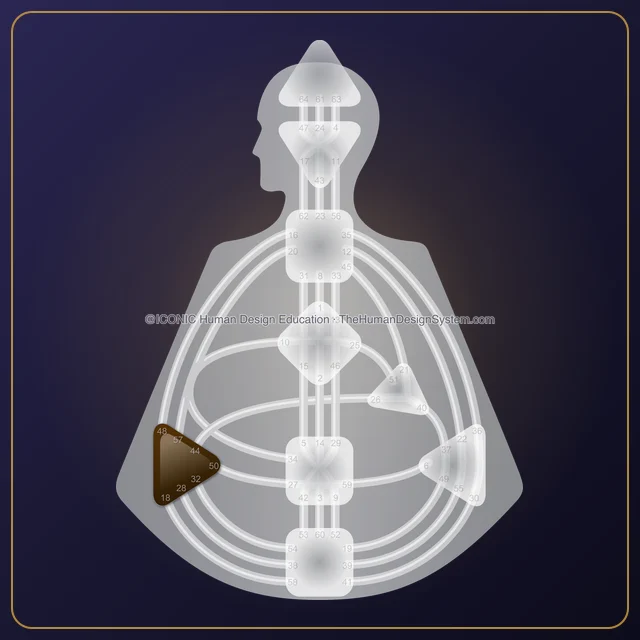 Black Friday through November 30 Health & Wellness Sampler Ten health courses, one module each, read through your own design. $397 through November 30, then $597$597 See the course
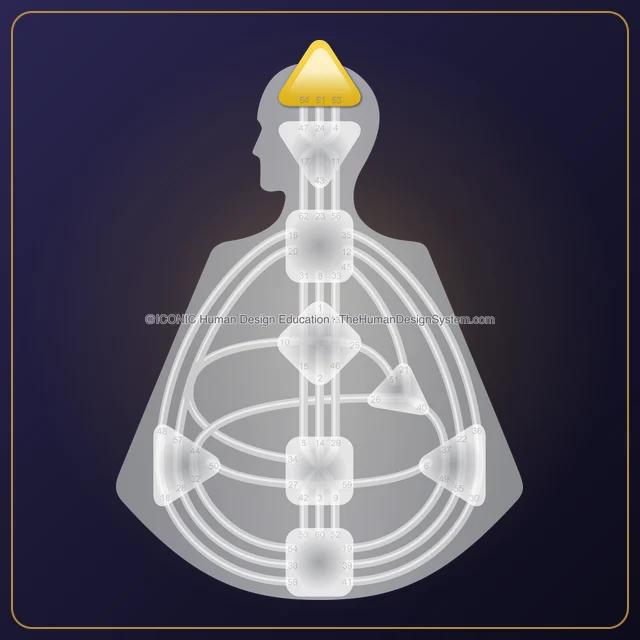 Black Friday through November 30 Best Rest by Design A whole course on sleeping by your design, built around your own chart. $297 through November 30, then $497$497 See the course
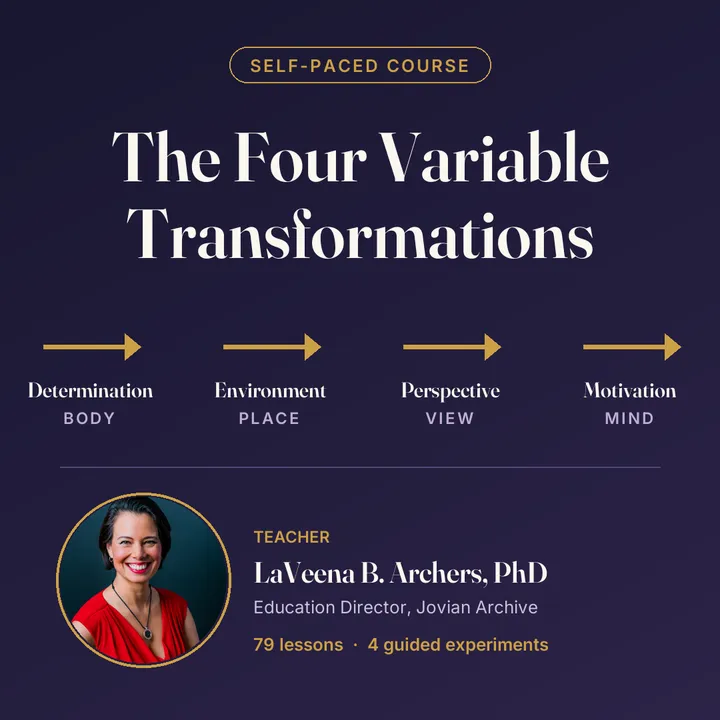 Self-paced course The Four Variable Transformations Determination, Environment, Perspective and Motivation, as four guided experiments. $850 See the course
 Where to begin Living Your Design Awakening The first class in the Human Design education, with the community around it. $350 See the course
 Foundations Human Design Cartography The second level of Human Design education, and the way into all advanced study. $850 See the course
 Professional training Human Design Analyst Training Level 1 (PTL1), Full Year A year on the 64 gates, the 384 lines and the art of a full chart reading. $3,450 See the course
See this in your own chart
Generate your free bodygraph and start your own experiment.
Get My Free HD Chart