What Is a Second Saturn Return in Human Design?
A Second Saturn Return is Saturn's next full lap back to your natal gate, usually in your late fifties to early sixties. Ra never built it into the software, and in the documented cases behind this series its events arrive after the exact date rather than before it.


A Second Saturn Return in Human Design is Saturn’s next full lap back to the exact gate it held at your birth, arriving roughly 29 to 30 years after your first Saturn Return, usually somewhere between your late fifties and early sixties. Ra Uru Hu never built it into the software as its own reading, and it doesn’t change your Type, Strategy, or Authority any more than the first one did. Here is the one thing that sets it apart from the rest of this series, and it is a correction to what this post used to say. I taught for a while that this cycle resists clean correlation more than any other. That was a statement about how I had searched rather than about the cycle. Every documented case in the research now carries real, dated events, and they arrive late.
Why Ra left it out of the software
Ra’s reasoning was specific. The existence of Chiron, arriving between the first Saturn Return and this one, was evidence to him that there may be no clean “second” Saturn at all, and that leaning hard into any repeat pass risks realigning a person to what is, by then, a fading influence. That caution was about over-reading it, not a claim that it does nothing. Saturn is still Saturn, and the theme it always brings, discipline, accountability, structural consequence, doesn’t retire just because a person has already lived through one full pass of it.
The cycle still lands on a real, dateable return. It’s just that the mechanics of what it asks tend to be quieter and less singularly dramatic than the first Saturn Return, the Uranus Opposition, or the Chiron Return that come before it.
When it happens
Roughly 29 to 30 years after the first Saturn Return, which puts most people’s second pass somewhere in the late fifties to early sixties, with a third pass, if the pattern holds, arriving around age 90. The same 3.5-years-before, 3.5-years-after window applies here as it does to the other decade-scale cycles in this series.
Common questions about the Second Saturn Return
Does a Second Saturn Return change my Type, Strategy, or Authority? No. Nothing in any cycle does. It recasts your cycle cross and Profile the way the first Saturn Return did, and conditions specific centers for the years it’s active.
Is it true that Human Design software doesn’t include this reading? That’s accurate. Ra chose not to build a formal Second Saturn Return reading into the system, specifically to avoid over-reading a repeat pass of a theme that had already been fully tested once.
Does this cycle mean death is coming? No. Some traditions read a person’s later Saturn passes as connected to mortality, but that isn’t what this cycle is built to test. It’s an accountability cycle, the same as the first one, asking whether the discipline and commitment you built decades ago are still yours, not a countdown.
Why does this cycle correlate less cleanly to real events than the others in this series? Based on the documented cases in the life-cycle research behind this series, the second Saturn Return carries fewer dated events than the cycles before it, and they tend to be less dramatic. That may be Ra’s caution against over-reading a fading influence showing up in the data rather than only in the theory. What it does not do is come up empty, which is what this post used to claim.
What it looks like in real charts, and the mistake I made reading them
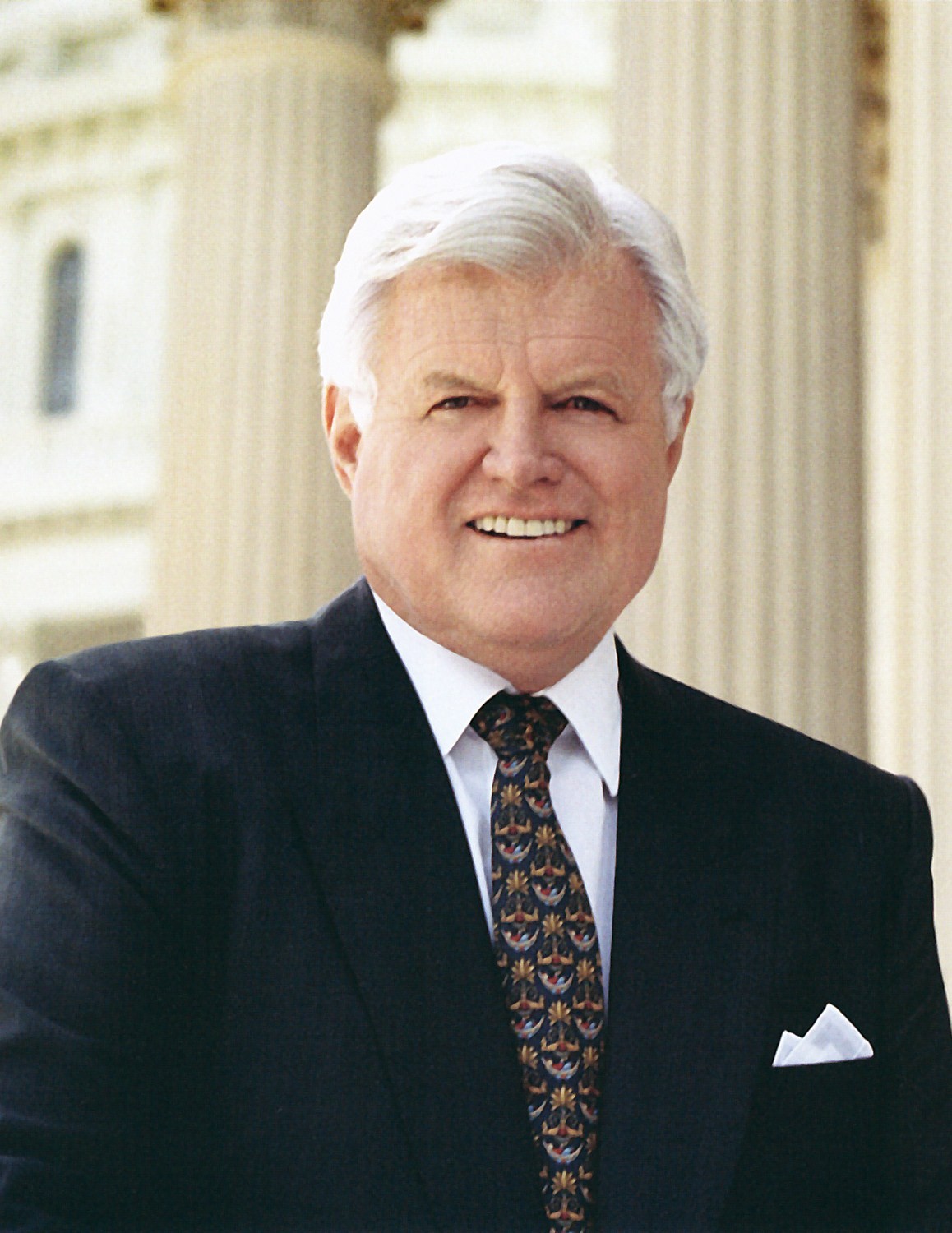
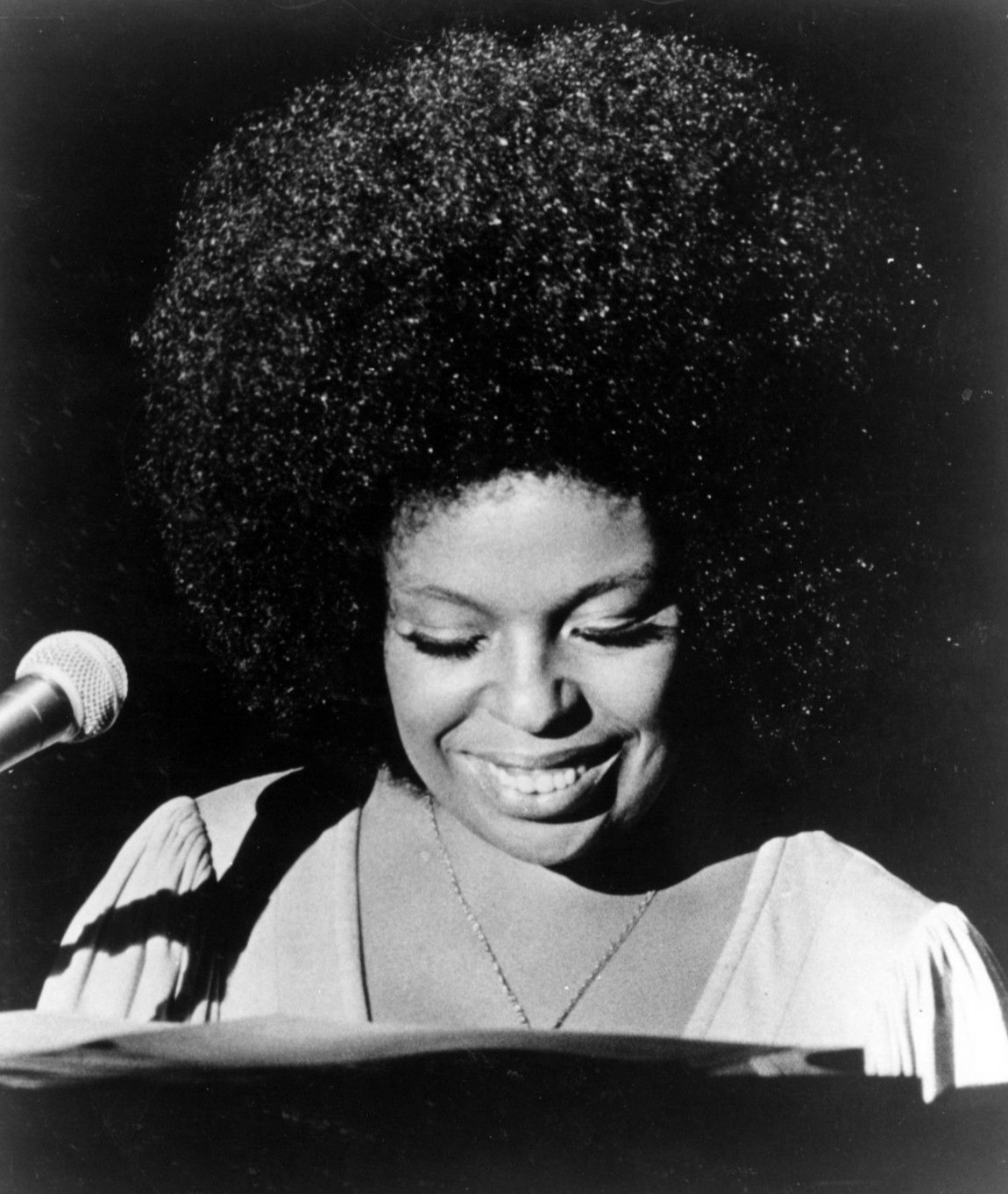
This post used to say the documented cases resisted a clean match. They don’t. What resisted a clean match was my search, which looked only at the three and a half years leading into each exact date. The window runs three and a half years the other way as well, and this is the cycle where that omission cost the most, because this is the cycle whose events sit on the far side.
Ted Kennedy, February 1991. Nothing before it. Then his nephew’s Palm Beach case fifty-two days after, a speech at Harvard that October acknowledging faults in the conduct of his private life, and his remarriage to Victoria Reggie in July 1992. Audit, reckoning and rebuild, inside eighteen months.
Roberta Flack, April 1995. The Fugees remade “Killing Me Softly with His Song” in 1996 and put her signature record back on the charts without her involvement at all. For a woman whose recording career began in the years just after her first Saturn Return, having her own material handed back to her by someone else at her second is a fair account of what the cycle asked.
Aretha Franklin, June 2000. This one straddles the date. She stood in for an ailing Pavarotti at the 1998 Grammys at a few minutes’ notice, the most retold performance of her later career, and released “A Rose Is Still a Rose” four weeks after it. Then “So Damn Happy” in 2003, her last Arista album.
Quincy Jones, February 1992. Also straddles. “Back on the Block” in 1989, then six Grammys including Album of the Year in February 1991, a year before the exact date, for a record he had planned over two years. His cycle cross is named Planning.
One detail I did not go looking for. Lauryn Hill wrote and produced Aretha Franklin’s comeback single, and Lauryn Hill sang the record that lands in Roberta Flack’s window. The same person runs through two different second Saturn Returns in this dataset.
Full detail is in Ted Kennedy’s Human Design chart, Roberta Flack’s Human Design chart and Aretha Franklin’s Human Design chart.
So the pattern I would now put forward, held loosely because four cases is four cases, is that this cycle reads late. Two of the four carry nothing at all before the exact date and everything after it. The other two straddle. If that holds up across more charts it is a more useful thing to teach than the resignation this post carried before, and it can be proved wrong, which the resignation could not.
Ra’s own example
Ra’s second pass through this cycle arrived in 2006, and by every account it was a productive stretch, the work he’d been building for years finally reaching the audience it was aimed at. A fading influence doesn’t mean a fading person. The deeper mechanics of how his own design closed at the end of his life are his own material, and I walk through them in the video linked from my full Second Saturn post rather than retype them here.
Working with a cycle that answers late
The most useful thing you can do with a Second Saturn Return, for yourself or for a client, is give it the whole window. It’s real, it’s dateable, it carries fewer events than the cycles before it, and on the evidence here those events tend to arrive after the exact date rather than before it. That means the year the return lands can look empty and still be the middle of something. Keep experimenting with your own Strategy and Authority regardless of how loud or faint the cycle feels, and don’t let a thin-looking approach convince you nothing is happening. Sometimes accountability looks like steadiness, and sometimes it is simply running behind.
This is the last post in a short series on the Human Design life cycles. The Human Design life cycles overview maps how it sits alongside the others, What Is a Chiron Return Cycle in Human Design? covers the cycle before it, and my own honest account of teaching a cycle I haven’t lived yet is in The Second Saturn: A Cycle I Teach But Haven’t Lived.